
Most startups don’t have the resources for a full in-house hiring and recruiting team. Sure, you might have HR employees wearing every hat possible, including the sourcing and recruiting hats, but they’re likely spread thin. And many founders might take it upon themselves to seek out top talent. The truth is, your time is better spent elsewhere. Bringing in outside recruiting help, whether a freelance recruiter or a dedicated marketplace, lets you keep focus on building the business while experienced startup recruiters fill your open roles faster.
TLDR:
-
Freelance recruiter marketplaces let startups access full-cycle recruiting support without agency fees or long-term contracts
-
Pricing models vary by structure: hourly, fixed, or contingency at roughly 20-25% of first-year salary per hire
-
Contingency models can work for hard-to-fill roles, but per-placement fees can add up quickly across multiple hires
-
Fractional recruiting fits best when hiring is variable; a full-time recruiter typically makes sense at 15-20 annual hires
-
Some tools pair free ATS software with on-demand recruiting support at rates starting around $75/hour instead of fixed retainers
Popular Freelance Recruiter Services & Marketplaces
Freelance recruiter services and recruiter marketplaces give you a convenient and secure way to find and connect with recruiters. These services and marketplaces do the legwork of putting contract and freelance recruiters all in one place, so you can easily browse your options and find a recruiter in minutes. Here are some of the most popular recruiter services and marketplaces to find your recruiting expert:
| Service | Pricing Model | Best For | Standout Feature | Main Limitation |
|---|---|---|---|---|
| Dover | from $75/hr (averaging $2,000 to $7,000 per hire); free ATS included | Startups hiring across multiple roles with variable volume | Dedicated recruiter + shared ATS pipeline; no contingency fee | Focused on startup/tech roles; less suited for non-tech industries |
| Toptal | Custom; premium pricing | Companies needing vetted freelancers fast (not a standalone recruiter) | Rigorous vetting; top 3% claim; 48-hour matching | You work through a Toptal professional, not a direct freelance recruiter |
| Upwork | Hourly or fixed-price; varies widely by recruiter | Teams wanting a broad pool with flexible budget options | Large marketplace with recruiter reviews and direct collaboration tools | Quality varies from novice to expert; not startup-recruiting-specific |
| Relancer | Recruiter-set rates; varies by engagement | Companies hiring internationally across 60+ countries | Cross-border recruiter network with fast turnaround | Less startup-specific depth compared to dedicated startup marketplaces |
| Paraform | Contingency: roughly 20-25% of first-year salary per hire | Hard-to-fill or niche roles where speed justifies placement fees | 10,000+ independent recruiters; ATS and Slack integrations | Per-placement fees add up quickly across multiple hires |
Dover (Designed for Startup Founders)
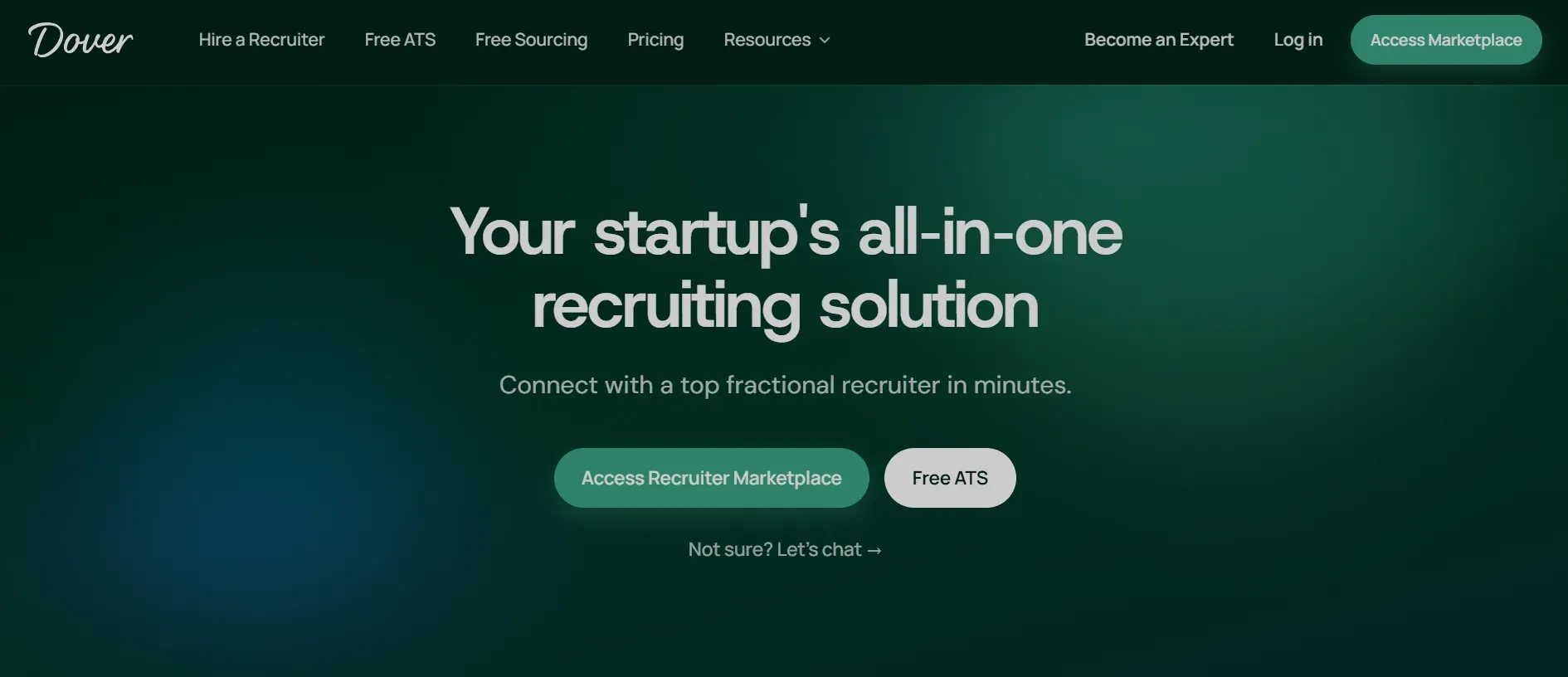
Dover is a recruiting marketplace built just for startups. We specialize in connecting you to full-cycle startup recruiters. With Dover, benefits include:
-
Browse vetted startup recruiters - Find quality startup recruiters who have experience filling the roles startups need, quickly.
-
Flexibility - Our recruiters offer hourly pricing, instead of locking you into a lengthy contract. This flexible pricing model is perfect for startups, as you only use your recruiter when you need to fill roles.
-
Close collaboration - Once you choose a recruiter, you can work closely with them to smoothly integrate them into your hiring pipeline. They’ll take on the hard work of sourcing, reaching out, scheduling, interviewing and whatever else you need them to do to help make your next great hire.
At Dover, we know the frustration that startups face when they’re trying to fill open roles. That’s why we’re the best recruiting marketplace for startups. We’ve created our marketplace with startups in mind, so you can build a top team at a fraction of the cost and in much less time.
Toptal
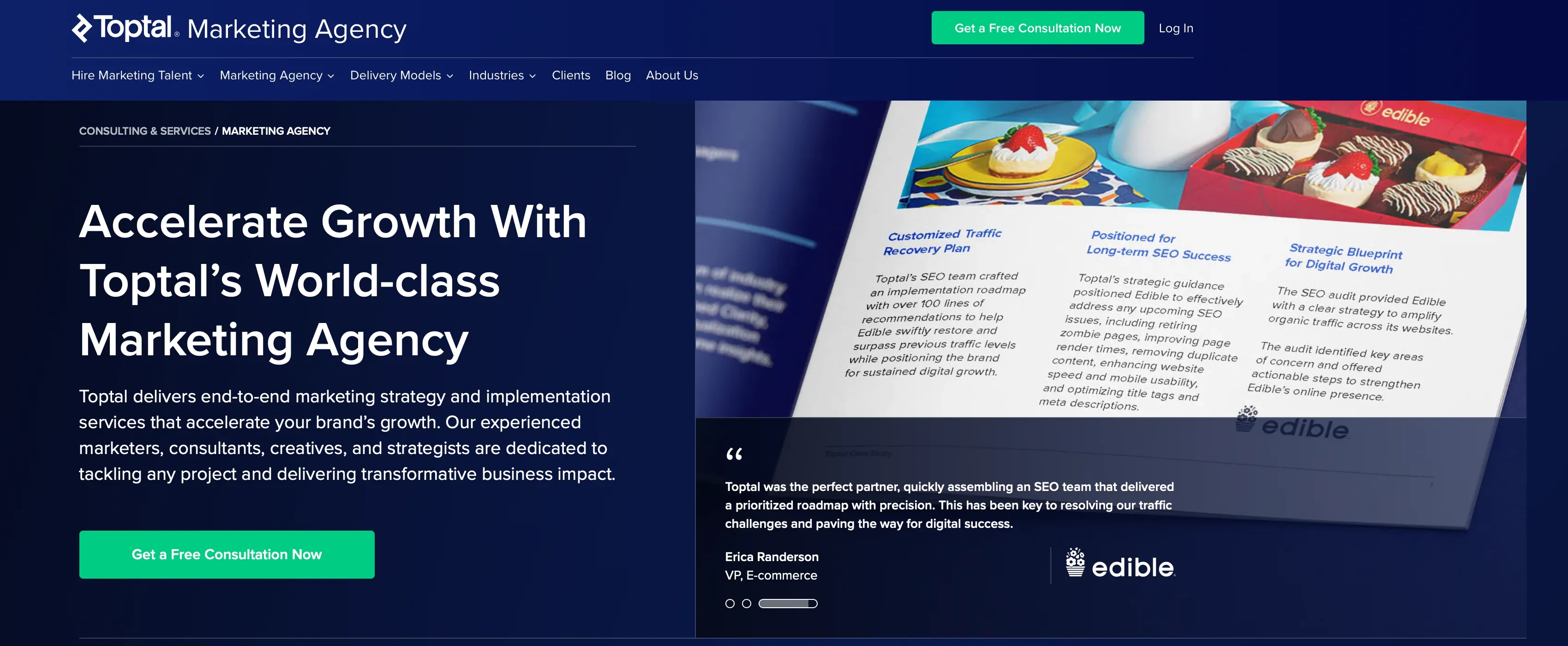
Toptal is a bit different from other options on the list, as you get connected to a recruiter when you sign up for their service. So, instead of finding a freelance or contract recruiter, you’re connected with a Toptal professional who will then introduce you to freelancers and contractors in the Toptal network in fields like marketing, software development, product management, etc. Here are some of the top features that Toptal calls out:
-
Connect with an industry expert - They connect you to an expert on the Toptal team who will talk to you about your goals, needs and company culture. They then get to work finding applicants in the Toptal network to connect you to.
-
Quick hires - Toptal touts hiring in 48 hours or less, leading to quick filling of roles.
-
Top 3% - Toptal says their applicants are rigorously tested and vetted, making them the top 3% of freelance talent.
-
Pay only when satisfied - Offers a trial basis with new freelancers, so you only pay if you’re satisfied with the fit.
While Toptal can be useful for finding freelancers in the industries they have freelancers in, it might not be ideal if you’re looking mainly for a recruiter. You work through a Toptal professional instead of hiring a freelance recruiter.
Upwork
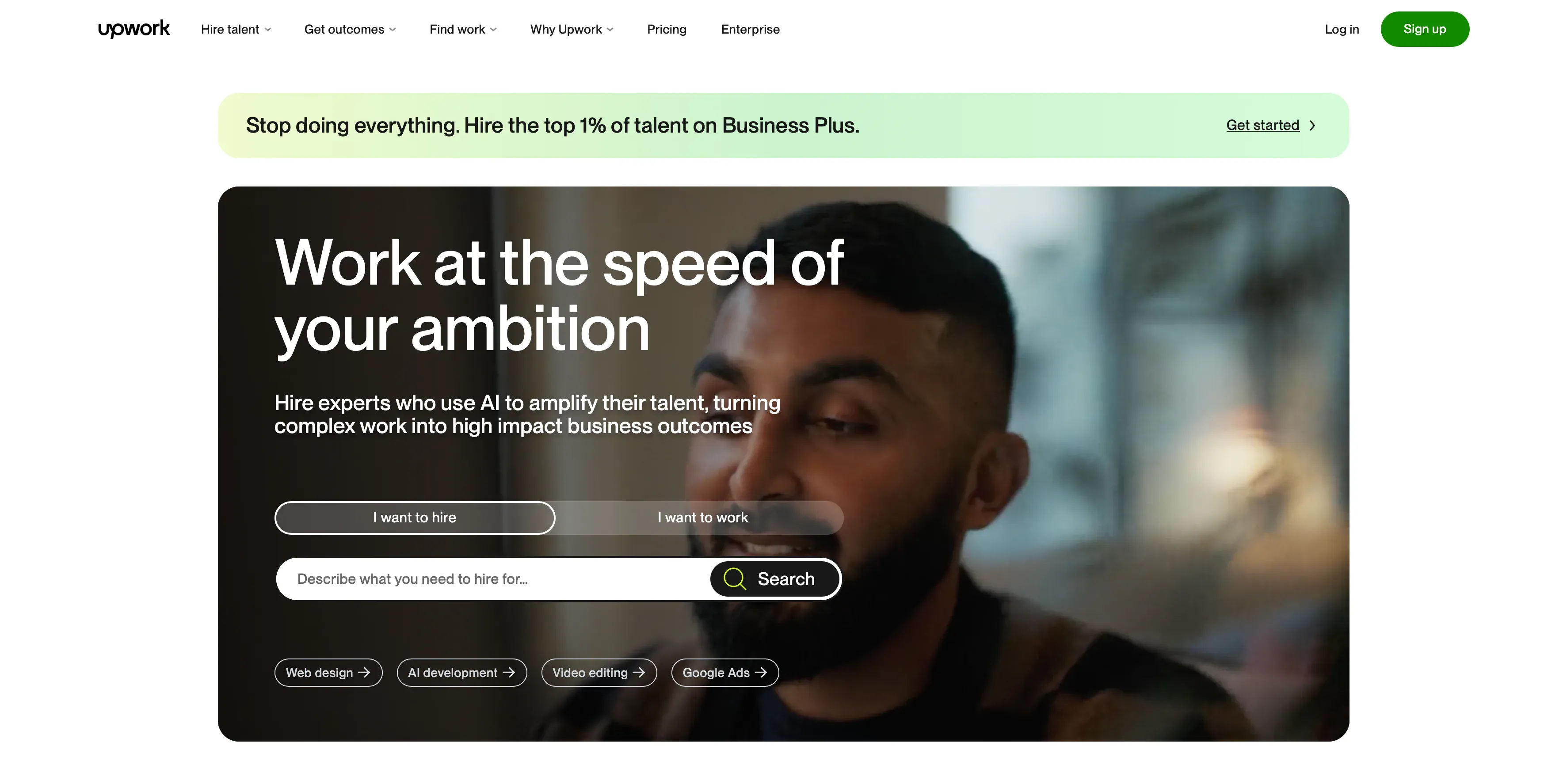
Upwork is a huge freelance marketplace where you can find freelancers and contractors in a wide variety of industries. You’ll be able to browse many freelance recruiters on their site and look at reviews of their services. Here are some of the top features that Upwork calls out:
-
Let candidates make proposals - Upwork lets you post a detailed job description, post it and let qualified candidates come to you with proposals.
-
Collaborate with freelancers - They let you collaborate and communicate with your recruiting freelancers directly from the app.
-
Variety of hires - Recruiters aren’t the only freelancers you can find on Upwork. They have a wide variety of freelancers for different roles and industries.
The nice thing about Upwork is the vast array of options you have, but this can also be a downside. Reviews can help with quality control, but recruiter quality varies widely. And if you’re new to hiring a freelancer on Upwork, knowing how to screen for relevant experience takes some extra diligence. It’s also worth noting that since Upwork isn’t focused just on freelance recruiters, you may not find the specialists you need to help grow your startup.
Relancer
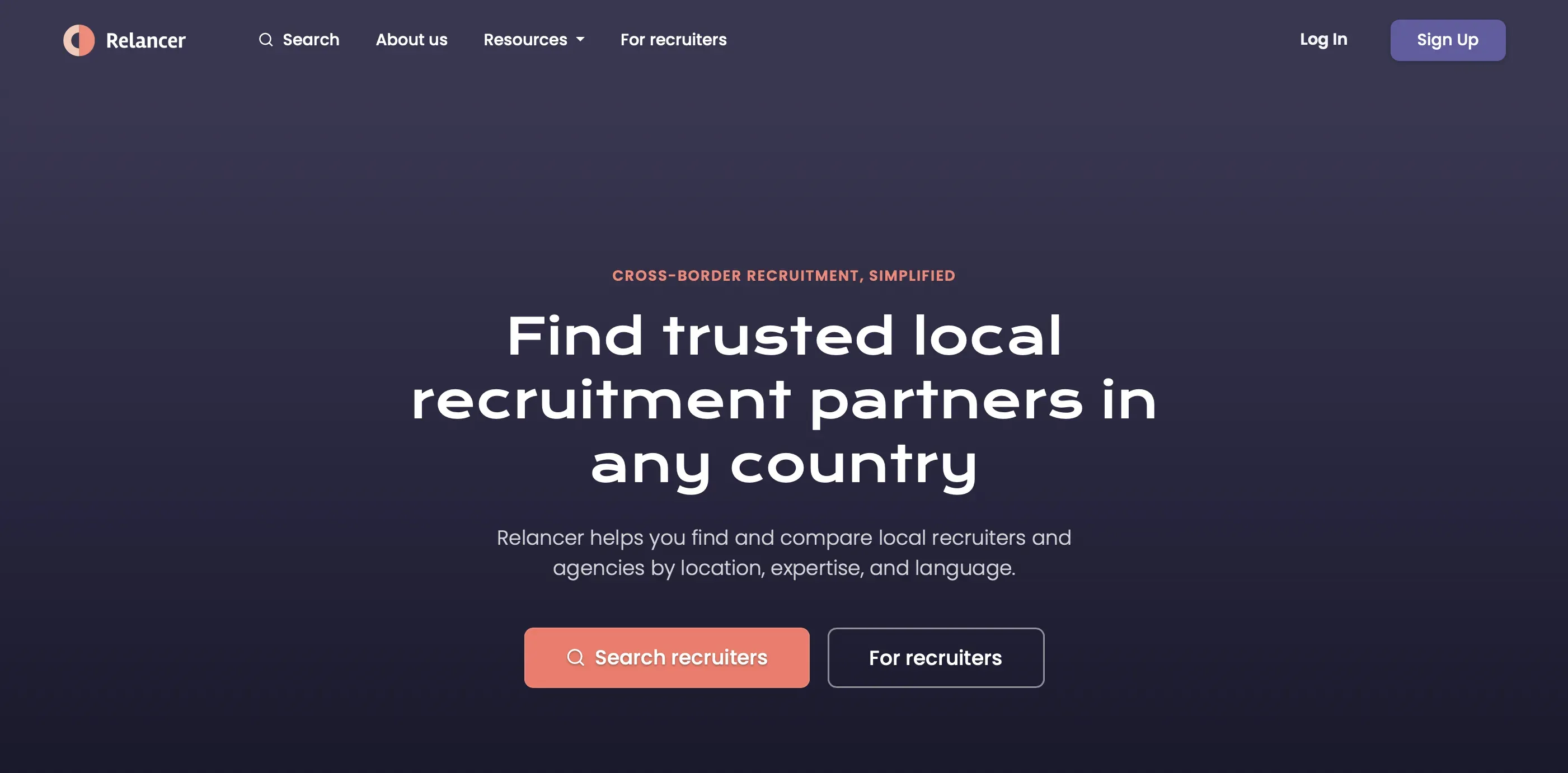
Relancer is a service dedicated solely to connecting employers with freelance recruiters. Here are some of the top features that Relancer calls out:
-
Connect with talent abroad - Relancer’s main value prop is access to recruiters who can find candidates across the world. They state it can help fill positions across 60+ countries.
-
Find freelancer recruiters fast - Touts a quick turnaround for finding a recruiter, with qualified recruiters landing in your inbox within 48 hours.
-
Choose from a variety of vetted recruiters - Relancer’s network consists of 5,000+ verified recruiters, giving you a variety of options.
Relancer’s worldwide platform makes it a solid option if you’re looking to find candidates who can work in specific countries.
Paraform
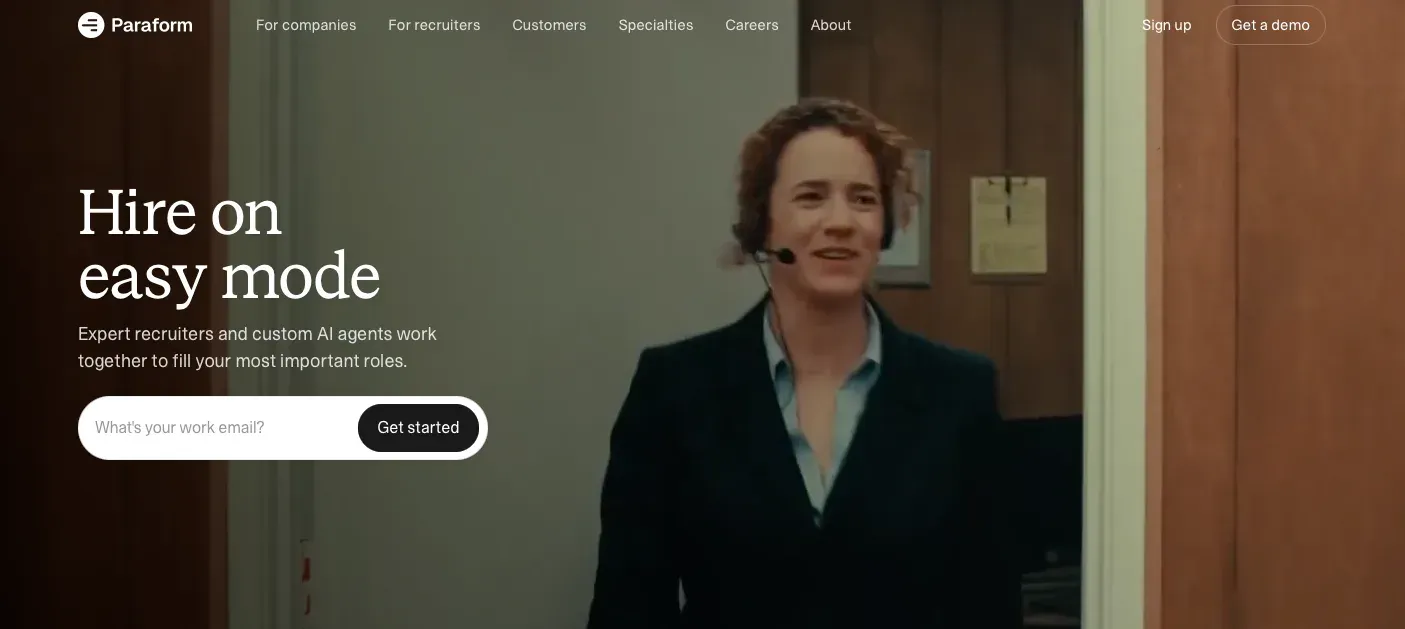
Paraform is a recruiter marketplace that connects you with recruiters who specialize in filling startup roles and niche roles. Some top features that Paraform calls out include:
-
Recruiters who specialize in niche roles - Paraform has a network of 10,000+ independent recruiters, including specialists in hard-to-fill roles across startups, enterprise, and technical domains.
-
Flexibility - They allow you to customize recruiting services based on your hiring needs.
-
Integrations - Paraform integrates with key recruiting tools like Slack, email, calendars, your ATS and more.
Paraform operates on a model that follows standard contingency fee ranges, charging roughly 20-25% of first-year salary per hire. That can work for hard-to-fill roles where speed justifies the cost, though the per-placement fee structure means costs can add up quickly across multiple hires. For a direct comparison of how the two platforms stack up, see Paraform vs Dover.
Other Recruitment Options
Working with a freelance recruiter or finding recruiters on a recruiting marketplace is usually the most cost-effective and flexible option for startups, but that doesn’t mean they’re the only options. If it works for you, you might also consider looking at recruiting agencies or finding a recruiter in your existing network. There are certainly upsides and downsides to both options, but they may be worth looking into depending on the needs of your startup.
Working with a Recruiting Agency
Partnering with a recruiting agency is similar to hiring a marketing company to handle your marketing needs. You essentially get a team that acts as your recruiter. These agencies typically have ready-made networks, technology and processes in place to help connect you to a broad pool of candidates. With recruiting fee structures compared across models, agencies often carry the highest costs and may give you less control over the selection process. For a deeper look at how the two approaches compare, see our breakdown of startup agency recruiting vs. recruiter marketplace. Recruiting agencies can sometimes be good options for bigger companies, but growing startups may be better served by looking at a more flexible and agile option.
Why Startup Founders Choose Dover
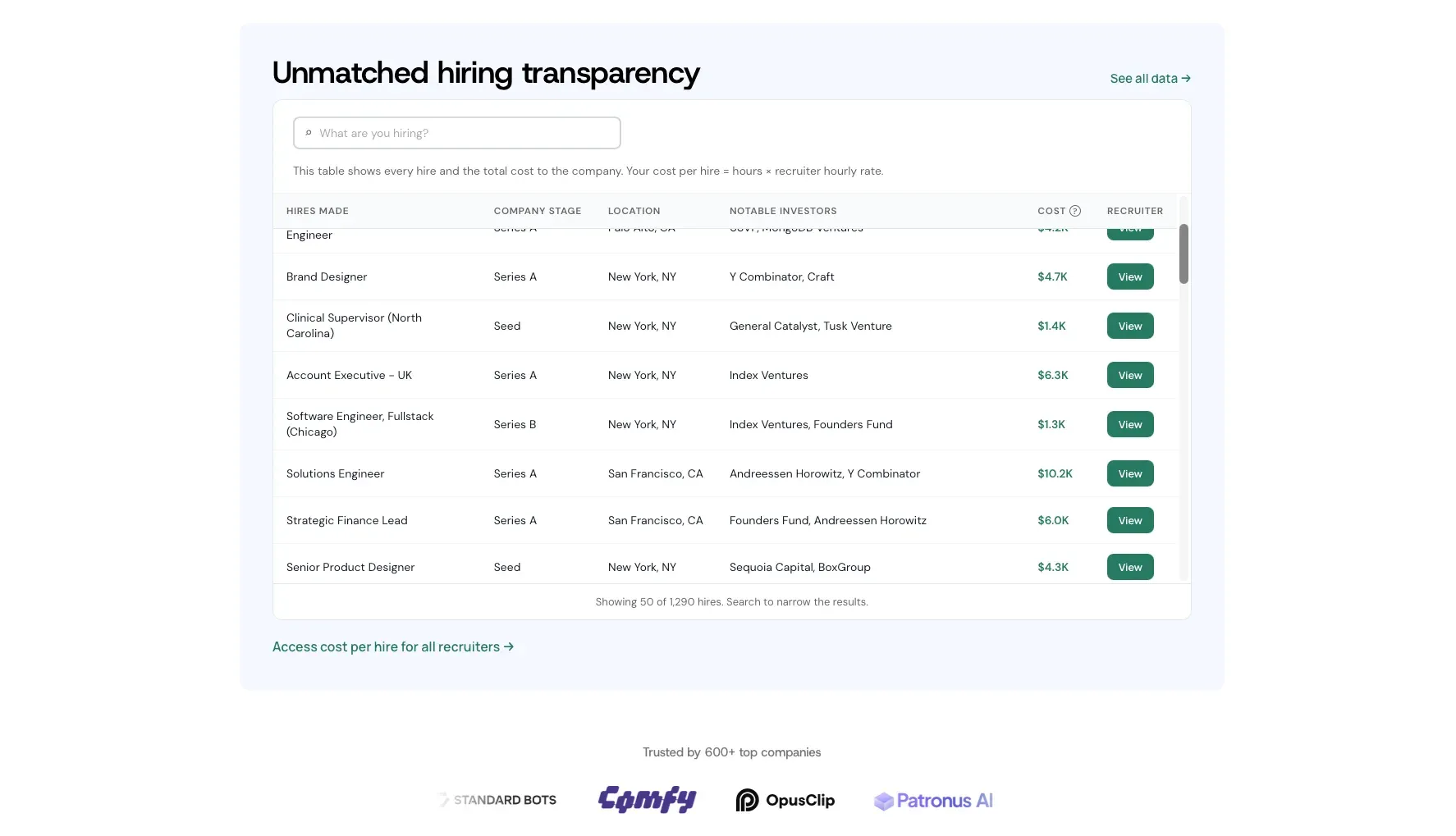
At Dover, we’ve designed our recruiter marketplace with startup founders in mind. That involves making our marketplace easy to use and cost-effective while also connecting you with high-quality recruiters.
We provide access to a curated network of expert, full-cycle recruiters who know how to hire for startups. These recruiters offer flexible hourly pricing, so you can use them as often or as little as needed. Once you’ve connected with your recruiter, you can work closely with them, introducing them to your company culture, hiring tools, and hiring processes. They can then take care of the heavy recruiting load, bringing you the top talent you need to grow your startup.
One thing that makes fractional recruiting work more cleanly in practice is having a shared ATS where both your recruiter and your internal team see the same pipeline in real time. Without that, coordination overhead tends to accumulate fast: duplicate outreach, missed follow-ups, status updates scattered across email threads. Dover’s free ATS gives your recruiter and hiring team a single shared system from the start, so sourcing activity, candidate flow, and feedback stay visible to everyone without any extra coordination work. You can start with the free ATS and layer in a fractional recruiter when a search needs more hands-on support, or run both from day one.
FAQs
What’s the difference between Dover and Paraform for startup hiring?
Dover charges rates starting around $75/hour with a dedicated recruiter embedded in your pipeline, averaging $2,000 to $7,000 per hire, though the actual figure varies with the recruiter’s rate and the role. Paraform operates on contingency, roughly 20 to 25% of first-year salary per placement, which can work for a single hard-to-fill role but adds up quickly across multiple hires. The structural difference is that Dover’s hourly model gives you cost transparency and a recruiter focused on fit, while Paraform’s per-placement fee creates pressure to fill roles fast.
Should I use Upwork or a startup-focused recruiter marketplace to hire my first engineers?
Upwork gives you a wide pool at flexible price points, but recruiter quality ranges from novice to expert and the service has no startup-specific focus. For engineering and product roles at an early-stage company, a marketplace built around startup hiring tends to produce better results because the recruiters already understand the candidate profile, compensation expectations, and speed requirements those searches demand.
How do freelance recruiter pricing models compare: hourly vs. contingency?
Hourly models bill only for time worked, giving you cost control and the ability to pause or adjust as hiring needs shift. Contingency models charge a percentage of the hired candidate’s first-year salary, typically 20 to 25%, which means a $120,000 hire costs $18,000 to $30,000 in fees regardless of how many hours the search actually took. For broader context on hiring costs, see SHRM’s 2025 cost-per-hire data. Hourly models tend to cost less across multiple hires and remove the speed-over-fit pressure that contingency structures can create. For a detailed breakdown of what fractional recruiting actually costs, see our guide on fractional recruiter costs.
Final Thoughts on Freelance Recruiter Services for Startups
Contingency fees (roughly 20-25% of first-year salary) can work for a single hard-to-fill role, but they add up fast across multiple hires. Hourly models bill only for time worked, making costs easier to manage as volume shifts. Fractional recruiting fits best when hiring is variable, and a shared ATS keeps your recruiter and internal team in sync without extra coordination overhead. Dover pairs a free ATS with experienced startup recruiters at rates starting around $75/hour, so sourcing, pipeline tracking, and feedback stay in one place from day one.